Remembering Through the Body
On diaspora and generational memories of silence

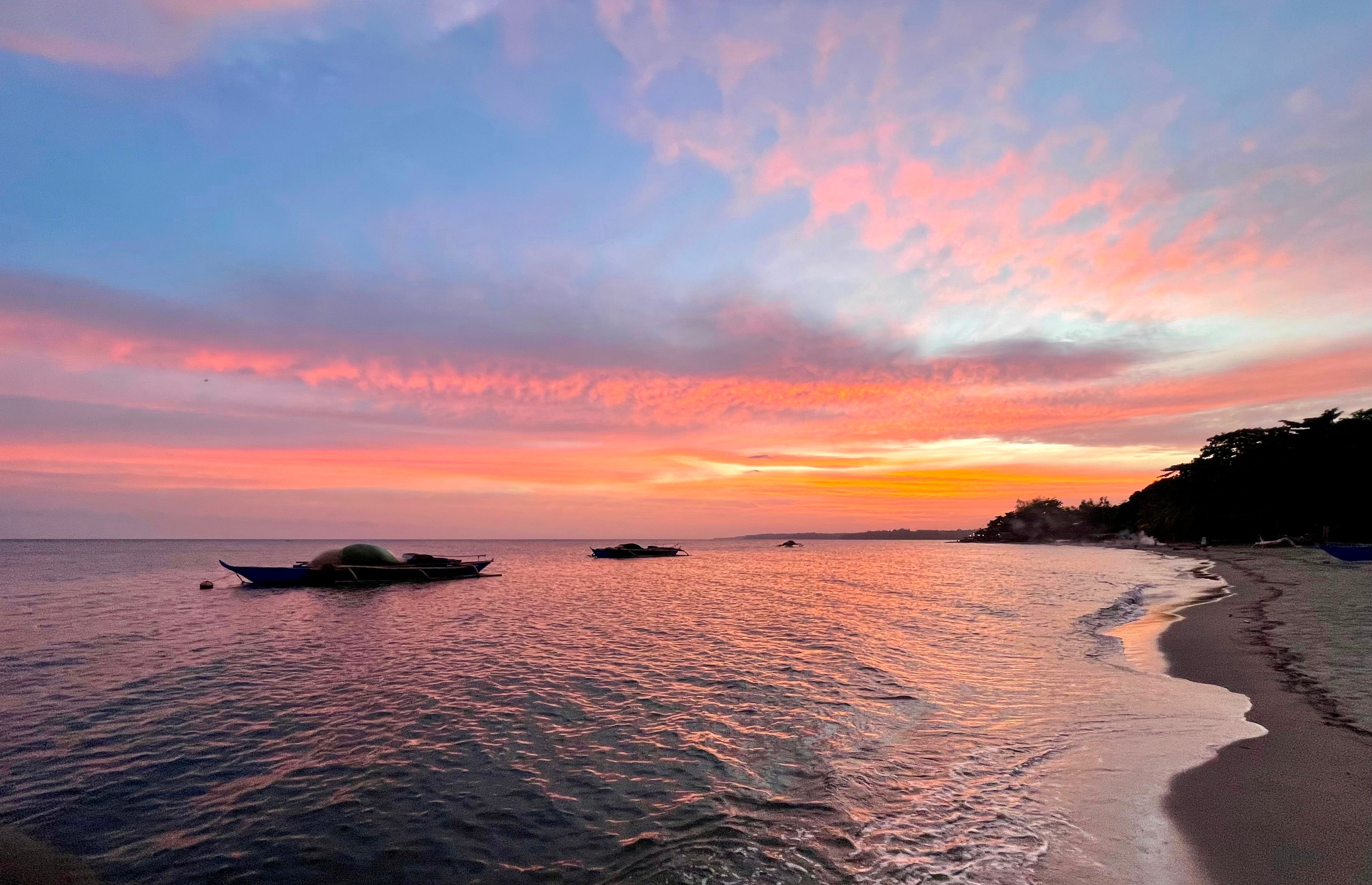
I arrived in the Philippines with the intention to reconnect. Instead, I found myself carrying a quiet, persistent heaviness - one I could not fully understand.
This is a personal reflection on a four-week trip I took to the Philippines in January 2026. I had set out to retreat from work and daily life, to recharge for the upcoming year, and to reconnect with my cultural roots in one way or another.
Writing about this experience is part of how I begin to make sense of it. Even though sharing these thoughts feels vulnerable, I feel called to try and weave them like threads into the fabric of a greater story of remembrance and reconnection, that not only belongs to me, but also to other souls who might re-discover pieces of themselves.
I dedicate this writing to my ancestors, my chosen and birth family, my community, my clients and to all women* (people with wombs) as bearers of culture and memory.
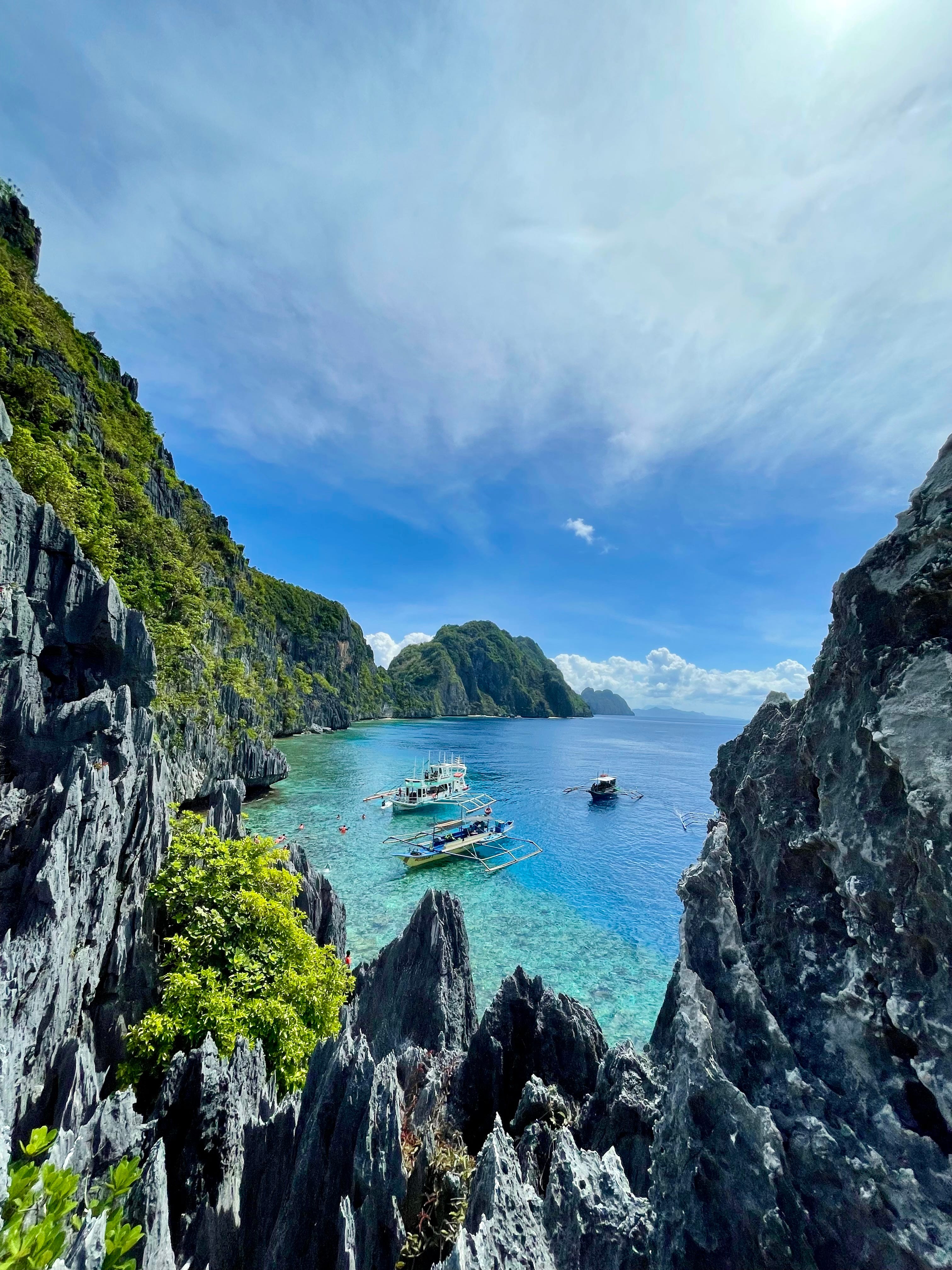
This trip to the Philippines was only the second time that I went back to my mother’s country of origin as an adult, on my own time and without centering family visits. Before exploring the country in this way firstly in 2024, I have had a few extended stays as a child, adolescent and young adult that date back roughly two decades and more.
Being of mixed heritage has shaped me in many ways, subtly as well as profoundly. I was born and lived in Germany for all my life. Therefore Filipino culture was for me something that rather came as an underlying normalcy with the package of being raised by a single Filipino mother, than something that was explicitly being talked about a lot. I always felt that my family was different from most of the other families that I grew up around in a rural area inhabited by predominantly white people. And yet I never knew exactly why and how.
I’ve always been curious about my mother’s story and our Filipino side of the family. I guess that is why I chose to keep coming back in my youth and younger adult life. This curiosity had a long break after my last stay in 2007 though. Back then I lived with my aunt for four months and studied a trimester of Mass Communication after graduating from school and before setting out to approach my own “adult” life here in Germany. Only relatively recently, since my early-mid thirties did I gradually feel called back to explore anew what it means for me personally to be (German-)Filipino.
I started to engage more with the historical and ancestral imprint of a context that is not solely curated by my mother’s experience as a surrogate for culture und memory. A huge help on this journey was not only seeking out stories that resembled mine, but also finding a community of post-migrant German-speaking Filipinos who are too, just like me, re-discovering and re-connecting to these somewhat intangible but yet visceral parts of themselves. This personal and collective journey has been and still is intense, in both incredibly beautiful and at times also challenging ways.
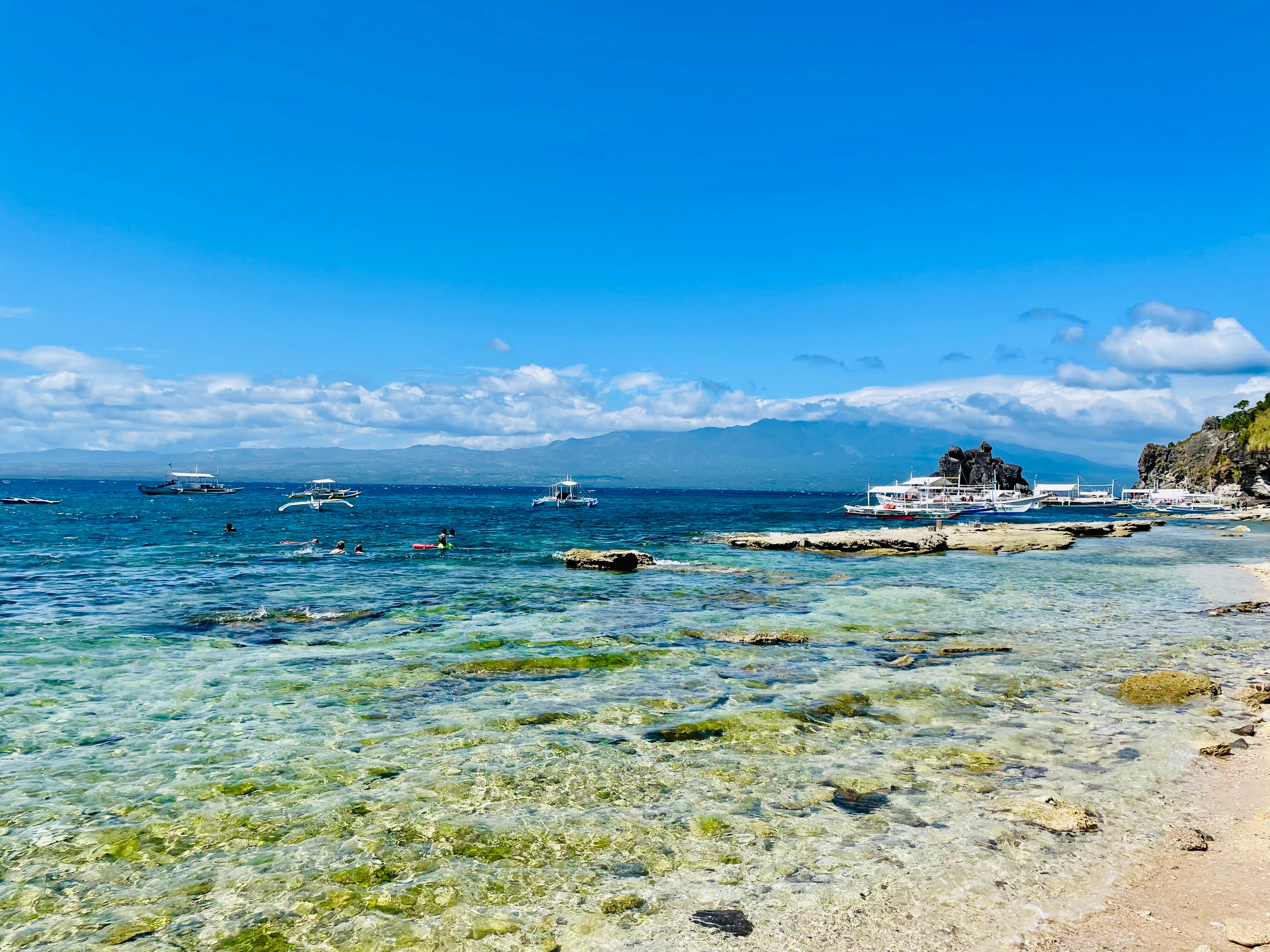
When I traveled back to the Philippines this past January, I couldn’t help but notice an underlying heaviness weighing on my heart throughout my whole trip. However beautiful and impressive my external experience, I still felt a lingering discomfort and urgency in my body and observed myself having overly critical thoughts towards other tourists, the idea of being a tourist myself and the touristic machinery as a whole. Even when I had the most heartfelt conversations and encounters, I would still register fractures and missing pieces. No matter how hard I tried, I just could not shake this deep seated sense of disconnection.
Why am I feeling sadness, while I have the privilege to travel to my motherland in the most independent and free ways?
Why am I feeling exhausted, even though I am getting enough sleep and get to spend a weeks long vacation in tropical paradise?
Why am I feeling disconnected, while I am physically here, recognizing a warm familiarity of smells, sounds and rhythm?
It was hard to sit with all of these contradictions. And it was not restful at all. Not being able to find words to describe what I was experiencing created another challenge that added to the stress that I was already feeling. At some point when I was researching about how to reconnect to one’s ancestry from a diasporic and post-migrant point of view, I read that
understanding more about ones filipino heritage and spirituality as an ancestral and personal path is less about learning and more about remembering - gently, patiently and without pressure.
This resonated deeply. I realized that what I was experiencing was not something I could solve with my mind - even though thinking and explaining usually bring me comfort.
By that time I had traveled for three weeks, first with a friend, then with my partner. We had visited different destinations throughout the Visayas Region, some more touristy than others. And I was tired, from traveling and moving around. From kind of pushing through the discomfort. For our last portion of the trip I just wanted to find a nice peaceful place to stay and calm down before we had to go back.
Weeks later, back in Germany and still searching for words, a friend of mine shared an Instagram post by Brown History that read:
The Diaspora Gaze is the way children of immigrants look at their parents’ homelands through a lens shaped by distance, inheritance, and partial belonging. It isn’t just the inverse of the white gaze. It’s something more layered, more conflicted.
These words landed immediately. They gave language to a complexity I had felt but could not yet name myself - a mixture of recognition and estrangement, curiosity and longing, but also guilt, responsibility and loss.
Not only on my personal journey but also in my work supporting diasporic communities, these complex layers of perceiving life and identity keep reappearing in various forms.
How much of what I am feeling is actually mine?
Does my body hold memories that have never been spoken?
How can I remember what has been fragmented, silenced or is simply out of reach?
Posing these questions is by no means a claim for having any answers, but they do feel like a doorway into something that wants to be explored holistically rather than understood through ones mind only. Pointing toward an inner knowing that lives deep inside of many of us - quiet, distant and often without words. And in many cases without a space for resonance or a frame of reference.
Maybe this is where I find myself caught in between: a mind that is shaped by western ways of making sense through intellect and language, and a body carrying a silent knowledge that cannot fully be grasped that way.
I have come to understand how much we need each other in this process. How recognition can happen by witnessing someone else’s story - finding pieces of ourselves being reflected back to us, where before there was only a vague sense of something unnameable.
I personally find resonance in stories of all shapes and forms. In books, music, films or series - but most profoundly in people who share similar experiences of growing up between worlds. Through them I began to understand more clearly what it means to navigate this in between space - between cultures and countries, languages and traditions, between different ways of being.
For many of us it becomes second nature to sense what is unspoken - to adapt, to translate, to move between worlds instinctively. It becomes a quiet skill.
And yet, this constant shifting can come at a cost: a subtle fragmentation, a sense of not fully arriving anywhere - not even within oneself. Learning to code switch in order to belong can be deeply exhausting, and at times it obscures the question of who we are when we are not adapting.
Looking at these experiences through the lens of migration, racism and colonial history has helped me to recognize the depth of what we carry - and to name what often remains unseen.
Maybe remembering begins exactly there: not as an intellectual act, but as something that unfolds slowly through the body - in moments where we allow ourselves to feel what has long been held in silence.
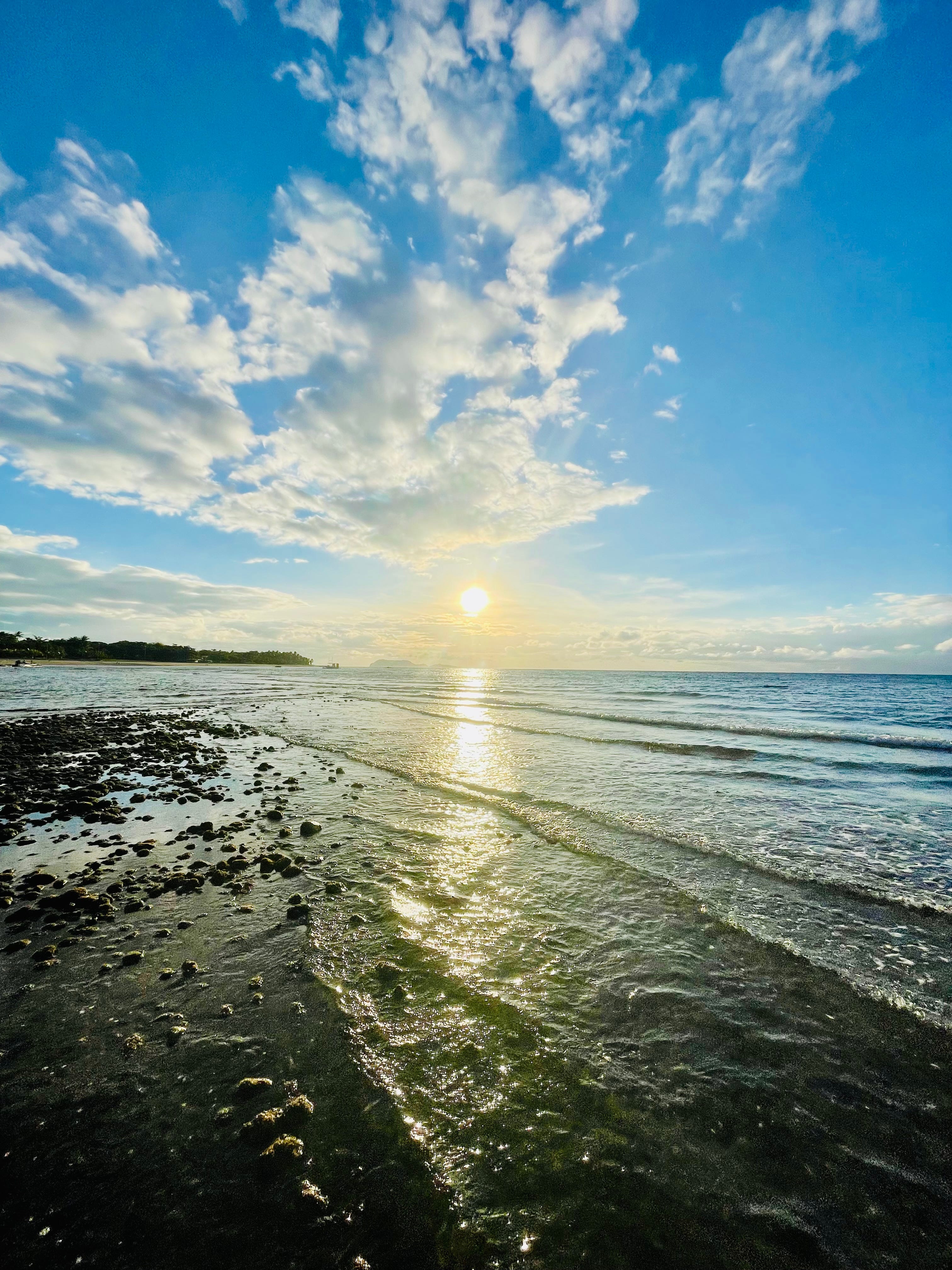
Circling back to my travels, I found myself ending my journey on my Lola’s (Filipino for Grandmother) birth island. This was in no way a truly conscious choice, since none of my immediate family lives close by and my mother’s and her siblings’ birthplace lies in a far away region of the county. And yet, I found myself staying not far from where my Lola was born, almost a century ago.
I sat by the shore, finally arriving in a moment of stillness, breathing slowly into the heaviness of my heart. I could hear the sound of the ocean, feel the warm wind on my skin, and sense the quiet presence of warm, salty tears running down my face.
It was there that something within me began to soften. A sense that what I was feeling might not only belong to me alone, but to something that reaches beyond me - layers of loss carried across generations as untold stories living in our bodies. My Lola’s, my mother’s and now mine.
I found myself thinking about the distance that shaped these journeys - how one generation carried the immediate pain of leaving, and how what followed continues to echo quietly in those who come after.
My Lola is not among us anymore, so I will never truly know why she decided, as a young woman, to leave her birth island - or what it must have felt like for her. Decades later her first born daughter, my mother, continued that movement by emigrating even farther - leaving behind not only family and culture, but also language and maybe parts of herself that had no space to be carried forward.
There is a deep grief in recognizing how many shared moments and untold stories have been irretrievably lost.
And yet, I am beginning to sense that what remains - what lives quietly in our bodies - might even bring us something else, if we allow ourselves to listen, gently and without force. That these silent memories might offer not only sorrow, but also a subtle form of connection.
By sharing my experience, I want to commemorate these silent memories - and allow some of the heaviness to shift into something that can be witnessed, shared, and perhaps, in small ways, transformed.
As my journey of remembering continues, I carry the hope that my words might resonate with others who are finding their own ways of remembering.
I will end this reflection with a poem in German - a space that, for me, has become a gentle container for the sorrow held within these generational memories of silence.
Gratefully yours,

Wege der Erinnerung

Das Mutterland unter den Füßen.
Durch Augen blickend, die dennoch aus der Ferne sehen.
Mein Herz voller Sehnsucht nach Rück-Verbindung.
Ein hallendes Echo mahnender Worte in meinem Kopf.

Überwältigt von Widersprüchen, die mit Worten nicht greifbar sind und sich wie die Wellen des Meeres in mir ausbreiten und wieder zurückziehen.
Meine innere Suche nach Verbundenheit und Erinnerung ins Außen gekehrt.
Bleibt – wie mein Fußabdruck im Sand – der Schmerz meiner eigenen Fremde zurück.

Schwere hält mein Herz fest umschlossen.
Liegt wie Blei auf meiner Brust. Macht das Atmen mühsam und flach.
Um Worte ringend versuche ich sie zu be-greifen.
Doch will sie nicht mit dem Verstand erfasst, sondern mit dem Herzen gefühlt werden.

Ich atme.

Spüre die Anspannung meines Körpers und die Müdigkeit meines Geistes.

Ich atme.

Suche – eine Hand auf dem Herzen – einen Raum der Stille.

Ich atme.

Rufe euch an – die, die vor mir waren und mir wohlgesonnen sind.

Beginne, euch im Rauschen des Meeres zu hören.
Im endlosen Blau des Himmels und des Ozeans zu sehen.
Eure Umarmung im streichelnd warmen Wind auf meiner Haut zu spüren.
In den Tränen auf meinem Gesicht die Trauer hinter der Schwere zu fühlen.

Generationen, die suchend in die Weite reisten.
Für das zukünftige Ich immer auch ein Stück ungehörte Vergangenheit zurückließen.
Trage ich heute die Erinnerungen des Schweigens in meinem Körper
zu ihren Ursprüngen zurück.

Februar 2026
Such a rich and beautiful meditation on your experience of living in diaspora - and how that feels in the body and soul. Thank you for sharing the IG post and poem as well. There’s a lot to process here. And I’m beginning to sense how many people live in diasporas in incredibly diverse and varied ways- some re-membering a place where they didn’t grow up; some re-membering a place they grew up and then left; some re-membering places they are returning to -whether “again” or for the first time.
Feeling a deep sense of connection and love for it all as an African-American - and realizing that while there are so many memories and places in my ancestry that I may never concretely know or remember…there’s also the feeling and possibility of opening up to the knowledge of my ancestral lands and languages (whether in America or elsewhere) through my body and my intuition rather than my mind. Thank you. 💛🌊
Thank you for the gift of this words, so we may remember in our own ways, reflected in each other's experiences.